
Choosing Between Trusts and Wills Explained
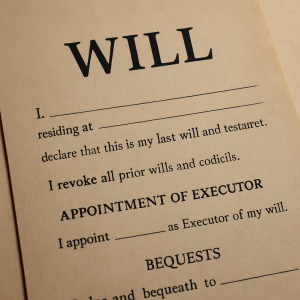 When it comes to estate planning, one of the most important decisions you'll face is choosing between a trust and a will. Both decide how your assets are distributed after death, yet each has distinct benefits and drawbacks. This decision shapes your legacy, protects your wishes, and goes beyond just legal documents. Consider how each option aligns with your personal and financial goals.
Understanding the differences between a trust and a will can seem daunting, but it's a crucial step in ensuring your estate is handled according to your wishes. Estate planning helps you prepare for the inevitable while creating peace of mind for you and your loved ones. By breaking down the complexities, we can help you make an informed choice that aligns with your circumstances. No matter your estate size, planning ahead prevents conflicts and ensures a smooth transition for your beneficiaries.
In this article, we'll explore the key differences between trusts and wills, their pros and cons, and how they can fit into your estate planning strategy. We’ll also discuss scenarios where each might be more beneficial and provide insights into the costs and legal intricacies involved. By the end, you should have a clearer understanding of which option might be best suited to your needs.
A will is a legal document that outlines your wishes for the distribution of your assets after you pass away. It allows you to specify who will inherit your property, who will care for your minor children, and who will execute your estate. A will forms the core of estate planning, clearly guiding loved ones and the court on your final wishes
Key Features of a Will
- Simplicity: Wills are generally easier and less expensive to set up compared to trusts. They require less maintenance and are suitable for straightforward estate plans. A will helps many ensure their assets go to the right people without complicated legal processes.
- Probate: Wills must go through probate, a court-supervised process that verifies the will's validity and oversees the distribution of assets. This process can be time-consuming and costly, often taking several months to complete. Despite its drawbacks, probate provides a structured legal framework to ensure that debts are paid and assets are distributed correctly. If you’re currently dealing with probate and need professional support, our trusted partner at Probate Partner KC can guide you through each step.
- Public Record: Once a will enters probate, it becomes a public record. This means anyone can access the details of your estate distribution. While this transparency can be beneficial in preventing disputes, it also means that your private matters become accessible to anyone interested.
When to Choose a Will
A will may be the right choice if you have a relatively simple estate and are comfortable with the probate process. It's also ideal if you want to designate a guardian for your minor children or if your estate planning needs are straightforward. For individuals with uncomplicated financial situations, a will can effectively ensure that their last wishes are honored. Additionally, if your primary concern is naming a guardian for your children, a will is essential.
What is a Trust?
A trust is a legal arrangement where a trustee holds and manages assets on behalf of beneficiaries. Trusts can be established during your lifetime (living trusts) or after your death (testamentary trusts). They offer a more flexible approach to estate planning, allowing you to dictate terms and conditions for asset distribution.
Key Features of a Trust
- Avoids Probate: One of the primary benefits of a trust is that it avoids the probate process, allowing for a faster and more private distribution of assets. This can significantly reduce the time and cost associated with settling an estate, making it an attractive option for those who value efficiency and privacy.
- Control: Trusts offer more control over how and when your assets are distributed. You can set specific conditions and timelines for distribution, ensuring that your beneficiaries receive their inheritance in a manner that aligns with your intentions. This control can be crucial in managing the inheritance for minors or beneficiaries who may need guidance.
- Privacy: Unlike wills, trusts are not public records, offering a higher level of privacy for your estate plans. This can be particularly important for individuals who wish to keep family matters confidential and avoid public scrutiny.
When to Choose a Trust
A trust may be more suitable if you have a larger or more complex estate, wish to avoid probate, or desire greater control over asset distribution. It's also beneficial if you have specific conditions for how your assets should be used or distributed. For example, if you have a blended family or beneficiaries with special needs, a trust can provide the tailored solution you need. Trusts can also be a strategic tool in managing estate taxes and protecting assets from creditors.
Pros and Cons of Wills and Trusts
Pros of Wills
- Cost-Effective: Generally less expensive to create and maintain than trusts. This makes them accessible for individuals who may not have significant financial resources but still wish to have a plan in place.
- Easy to Understand: Straightforward setup and execution. Most people can draft a will with minimal legal assistance, making it a practical choice for simple estates.
- Guardian Designation: Allows you to name a guardian for minor children. This is a critical aspect of a will for parents, as it ensures that their children are cared for by someone they trust.
Cons of Wills
- Probate Process: Subject to probate, which can be lengthy and expensive. This can delay the distribution of assets and increase the overall cost of settling the estate.
- Public Record: Becomes public during probate, reducing privacy. This lack of confidentiality can be a drawback for those who prefer to keep their financial matters private.
Pros of Trusts
- Avoids Probate: No need for probate, enabling quicker asset distribution. This can provide peace of mind knowing that beneficiaries will receive their inheritance promptly.
- Greater Control: Flexibility in how and when beneficiaries receive assets. This allows you to tailor the distribution to meet the specific needs and circumstances of your beneficiaries.
- Privacy: Keeps estate plans private and out of public records. This can be particularly beneficial in protecting sensitive family information.
Cons of Trusts
- Cost: More expensive to set up and maintain compared to wills. The initial investment in a trust can be significant, although it may save money in the long run by avoiding probate.
- Complexity: May require more legal assistance and ongoing management. Trusts can be intricate legal instruments that require careful planning and expert guidance to establish and maintain.
Making the Right Choice
Choosing between a trust and a will depends on your personal circumstances, the complexity of your estate, and your preferences for privacy and control. Here are some factors to consider: Your decision should be guided by an understanding of your own values and priorities, as well as the specific needs of your beneficiaries.
- Estate Size and Complexity: Larger estates with multiple assets may benefit from the flexibility and control offered by trusts. Trusts can effectively manage diverse asset types and reduce tax burdens, which is essential for high-value estates. If part of your planning involves deciding what to do with a property, you can explore options to sell your house in Kansas City in a simple, supportive way.
- Desire for Privacy: If keeping your estate plans private is important, a trust may be the better option. Privacy can protect your family from unwanted attention and disputes that may arise from public disclosure.
- Cost Considerations: Evaluate the costs associated with creating and maintaining a trust versus a will. While trusts can be more costly upfront, they may offer long-term savings by avoiding probate.
- Family Dynamics: Consider any family dynamics that may influence your estate planning decisions, such as blended families or special needs beneficiaries. A trust can offer tailored solutions that a will may not be able to provide, ensuring all family members are treated fairly and equitably.
Conclusion

By understanding the differences and carefully weighing your options, you can create an estate plan that ensures your wishes are honored and provides peace of mind for you and your loved ones. Remember, estate planning is not just for the wealthy—it's an important step for anyone who wishes to protect their assets and provide for their family after they're gone.
Take the time to explore your options and make the choice that best suits your unique circumstances. By doing so, you can ensure that your legacy is preserved and your loved ones are cared for according to your intentions.